
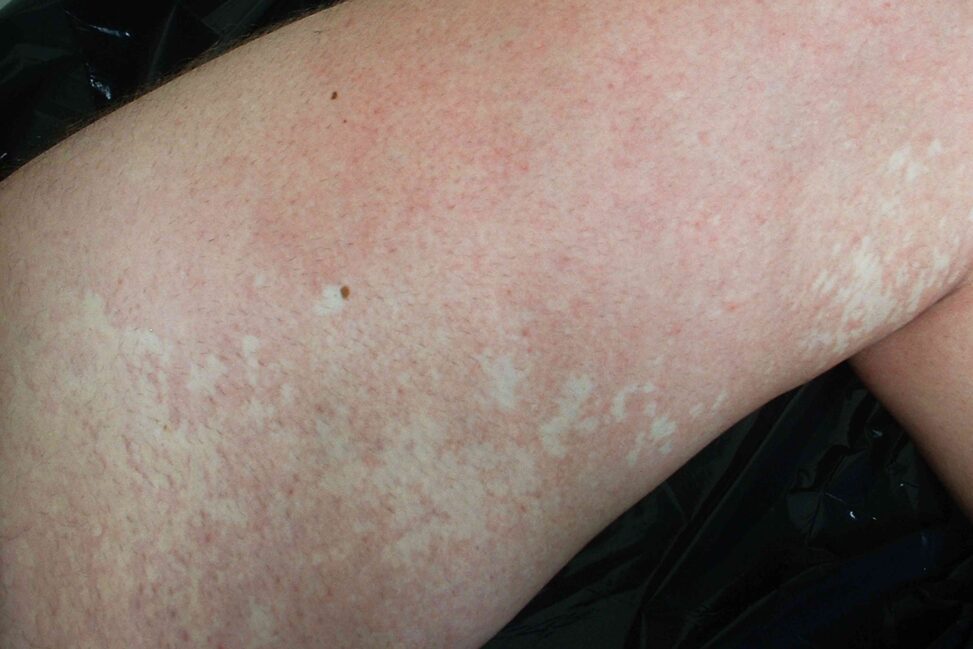
Have you ever looked closely at your arms or legs and noticed tiny white or rough bumps that refuse to disappear no matter how much lotion you use? Many people experience these small bumps at some point in their lives, yet few truly understand what causes them.
Although they may seem unusual or even alarming at first, these bumps are usually harmless and incredibly common. In most cases, they are linked to a skin condition called Keratosis Pilaris, often nicknamed “chicken skin” because of the rough texture it creates on the skin.
The condition affects millions of people worldwide and can appear during childhood, teenage years, or adulthood. While it is not dangerous, it can still cause frustration, self-consciousness, and confusion for those who do not know what it is.
What Exactly Is Keratosis Pilaris?
Keratosis Pilaris develops when keratin, a natural protein that protects the skin, builds up inside hair follicles instead of shedding normally. This buildup blocks the tiny openings around hair follicles, creating small bumps that feel rough to the touch.
These bumps usually appear on areas where the skin tends to be dry, especially the upper arms, thighs, legs, buttocks, and sometimes even the cheeks. Depending on a person’s skin tone, the bumps may appear white, pink, red, or flesh-colored.
Many people describe the texture as feeling similar to goosebumps or sandpaper. In some cases, the skin around the bumps may also become dry or slightly irritated.
Why Do These Bumps Appear?
Experts believe genetics play a major role in developing keratosis pilaris. If someone in your family has experienced the condition, there is a higher chance you may develop it as well.
Dry skin is another major factor. During colder months, humidity levels drop and the skin loses moisture more easily. This dryness can make the bumps appear rougher, more visible, and sometimes itchier.
People with eczema or naturally sensitive skin are also more likely to experience keratosis pilaris. Hormonal changes during puberty may make the condition more noticeable, which is why many teenagers suddenly begin seeing bumps on their arms or legs.
Even though the bumps can look concerning, they are usually harmless and do not indicate poor hygiene or infection.
The Emotional Side of Skin Conditions
Although keratosis pilaris is medically harmless, it can still affect confidence and self-esteem. Many people feel embarrassed wearing short sleeves, shorts, or swimsuits because they worry others will notice the texture of their skin.
Social media and beauty trends often promote unrealistic standards of perfectly smooth skin, making common conditions like keratosis pilaris feel more noticeable than they really are.
However, dermatologists emphasize that this condition is extremely common and nothing to be ashamed of. In fact, many people who appear to have flawless skin also deal with similar texture issues privately.
Understanding the condition can help reduce unnecessary anxiety and encourage healthier expectations about natural skin imperfections.
Why Scrubbing the Skin Too Hard Can Make Things Worse
One of the biggest mistakes people make is trying to scrub the bumps away aggressively. Because the skin feels rough, many assume harsh exfoliation will quickly remove the problem.
Unfortunately, over-scrubbing often irritates the skin even more. Harsh scrubs, rough towels, and strong exfoliating products can increase redness, inflammation, and dryness.
When the skin barrier becomes damaged, the bumps may actually become more noticeable instead of improving.
Dermatologists generally recommend gentle exfoliation rather than aggressive treatments. Being patient with the skin is often more effective than trying to force quick results.
Moisturizing Is Extremely Important
Dryness tends to make keratosis pilaris appear worse, which is why moisturizing is one of the most important parts of managing the condition.
Hydrated skin usually feels softer and smoother, reducing the rough texture caused by the bumps. Many skincare experts recommend using creams that contain ingredients such as lactic acid, urea, or salicylic acid because they help gently soften dead skin buildup.
Consistency is key. Applying moisturizer only occasionally may not provide noticeable improvement. Daily skin care routines often produce the best results over time.
People may also notice improvements when using fragrance-free products designed for sensitive skin.
Hot Showers May Increase Dryness
Long, hot showers may feel relaxing, but they can strip natural oils from the skin. Without those protective oils, the skin becomes drier and more irritated, making keratosis pilaris more visible.
Experts often recommend shorter showers with warm water instead of extremely hot water. Using gentle cleansers instead of harsh soaps can also help protect the skin barrier.
Simple habits like patting the skin dry instead of rubbing aggressively with a towel may reduce irritation as well.
The Condition Often Changes With the Seasons
Many people notice that their bumps become worse during winter and improve during summer. Cold weather and indoor heating systems tend to dry out the skin, which can make rough patches feel more noticeable.
During humid seasons, the skin usually retains more moisture naturally, which may soften the bumps and reduce irritation.
This seasonal pattern is one reason why the condition sometimes seems to come and go throughout the year.
Can Keratosis Pilaris Be Completely Cured?
There is currently no permanent cure for Keratosis Pilaris, but the condition is manageable for many people.
Some individuals notice major improvement as they get older, while others continue experiencing occasional flare-ups into adulthood. The good news is that the condition is harmless and often becomes less severe with consistent skincare.
Managing expectations is important because improvement usually happens gradually rather than overnight.
When It May Be Time to See a Dermatologist
Although keratosis pilaris is generally harmless, there are situations where seeing a dermatologist may be helpful. If the bumps become painful, severely inflamed, infected, or suddenly spread rapidly, a medical professional can rule out other skin conditions.
Sometimes people mistake eczema, allergic reactions, or folliculitis for keratosis pilaris. A dermatologist can provide proper diagnosis and recommend treatments tailored to individual skin types.
Prescription creams or specialized skincare routines may help in more stubborn cases.
Natural Skin Texture Is More Common Than People Think
One reason many people panic after noticing these bumps is because filtered photos and edited images online often create unrealistic expectations about skin.
In reality, perfectly smooth skin is uncommon. Many adults quietly deal with bumps, dryness, acne, redness, or uneven texture.
Skin naturally changes because of weather, hormones, stress, genetics, and aging. Understanding this can help people feel less pressured to achieve unrealistic beauty standards.
Final Thoughts
Those tiny white bumps on your arms or legs are usually nothing to fear. In most cases, they are caused by Keratosis Pilaris, a very common and harmless skin condition linked to dry skin and keratin buildup.
Although the bumps may feel frustrating or affect confidence, gentle skincare habits, proper hydration, and patience often help improve the skin’s appearance over time.
Most importantly, these bumps are a reminder that real skin is not always perfectly smooth — and that common skin conditions are far more normal than many people realize.
