
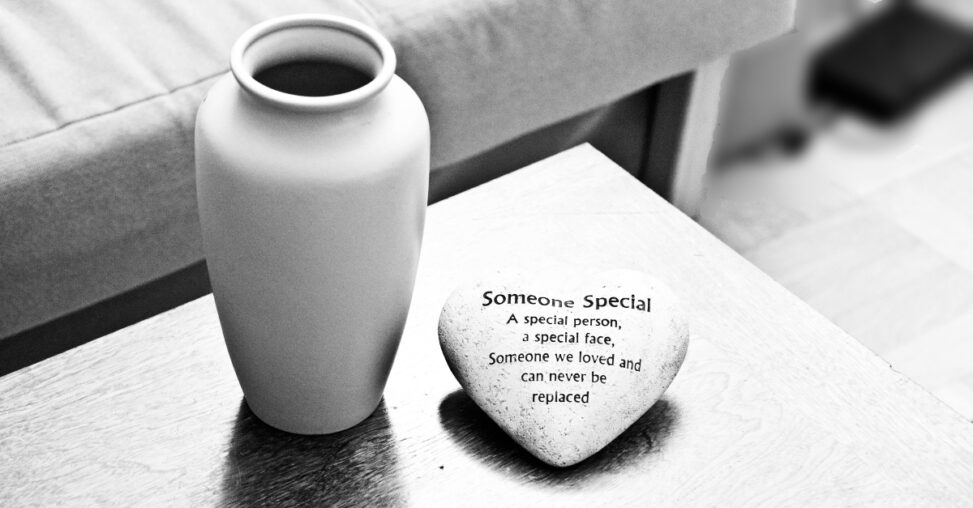
Discussions about cremation often bring deep emotional and spiritual questions. For many families, deciding between burial and cremation is not only a practical choice but also a matter of personal faith, cultural tradition, and religious belief.
Over the years, cremation has become increasingly common in many parts of the world. However, some believers still wonder whether cremation conflicts with scripture or affects what happens after death. Religious leaders and scholars from different faith traditions continue to offer guidance on this sensitive topic, while also emphasizing the deeper spiritual meaning behind life, death, and remembrance.
Why Cremation Has Become More Common
In modern times, many families choose cremation because of financial considerations, limited burial space, environmental concerns, or personal preference. In some cultures, cremation has been practiced for centuries and is viewed as a respectful way to honor the deceased.
Others may choose cremation because it allows family members greater flexibility when planning memorial services or keeping ashes in meaningful places.
Despite its growing popularity, some people remain uncertain about whether cremation aligns with their religious beliefs, especially within Christian communities where burial traditions have historically been more common.
What the Bible Says About Cremation
Interestingly, the Bible does not directly forbid cremation. Scripture contains many references to burial practices, as burial was the common custom in ancient Jewish and early Christian societies. Many important biblical figures, including Jesus Christ, were buried after death rather than cremated.
Because of this tradition, some Christians view burial as symbolically important. However, many biblical scholars point out that there is no specific verse clearly stating that cremation prevents salvation or resurrection.
Religious experts often emphasize that spiritual faith is not believed to depend on the physical condition of the body after death. Throughout history, bodies have been lost through natural disasters, wars, fires, and other circumstances beyond human control.
For this reason, many theologians argue that cremation itself does not limit divine power or spiritual destiny.
Different Christian Views on Cremation
Christian opinions on cremation can vary depending on denomination and personal interpretation.
The Catholic Church traditionally preferred burial for many centuries because it reflects respect for the body and parallels the burial of Jesus. However, the Church later clarified that cremation is permitted as long as it is not chosen to deny belief in resurrection or spiritual teachings.
Many Protestant churches also accept cremation today and focus more on the faith and life of the individual rather than the specific funeral method used.
Some believers still personally prefer burial because of family traditions or symbolic reasons, while others see cremation as a practical and acceptable choice.
Views From Other Religions
Different religions approach cremation in very different ways.
In Hinduism, cremation is widely practiced and considered an important spiritual ritual connected to the soul’s journey after death.
In Buddhism, cremation is also commonly accepted in many traditions, although practices vary between cultures and regions.
Meanwhile, Islam and Judaism traditionally favor burial and generally discourage cremation because of beliefs surrounding respect for the body and religious customs.
These differences highlight how funeral practices are often shaped by centuries of spiritual teachings, cultural history, and community values.
What Many Religious Leaders Say Truly Matters
Although traditions surrounding death differ greatly, many faith leaders share a similar message: what truly matters most is how a person lived, treated others, and nurtured their spiritual life.
Compassion, kindness, faith, forgiveness, and love are frequently emphasized far more than the physical method used after death.
Religious counselors often encourage grieving families to focus less on fear and more on honoring the life, character, and legacy of the person they lost.
For many believers, remembrance, prayer, and meaningful acts of love become far more important than debates over burial methods.
The Emotional Side of Funeral Decisions
Choosing between cremation and burial can be emotionally difficult, especially when family members hold different beliefs or traditions.
Some people worry about honoring parents’ wishes, respecting religious customs, or making decisions during periods of grief and stress. These conversations can become deeply personal because they touch on identity, faith, family values, and cultural heritage.
Experts often encourage families to discuss funeral preferences openly before difficult situations arise. Clear communication can reduce confusion and emotional tension later on.
Spiritual Comfort After Loss
For many people, faith provides comfort during grief regardless of funeral traditions. Spiritual practices such as prayer, memorial gatherings, scripture readings, and community support often help families process loss and find peace.
Religious leaders frequently remind mourners that love, memory, and spiritual connection continue beyond physical death in many belief systems.
This perspective can help people focus on healing and honoring loved ones instead of becoming overwhelmed by fear or uncertainty.
Respecting Personal and Family Beliefs
Because cremation remains a sensitive topic in many communities, experts encourage respect for individual beliefs and traditions. Some families strongly prefer burial, while others feel comfortable choosing cremation for personal or practical reasons.
Ultimately, funeral decisions are often influenced by a combination of faith, culture, finances, family traditions, and personal values.
Understanding different religious viewpoints can help people make informed decisions while respecting the beliefs of others.
Final Thoughts
Questions about cremation and faith continue to spark discussion across many religious communities. While traditions and interpretations vary, many spiritual leaders emphasize that compassion, faith, love, and the way a person lived matter far more than the physical process that follows death.
For grieving families, the most meaningful tribute is often not the funeral method itself, but the memories shared, the lives touched, and the legacy left behind.
