
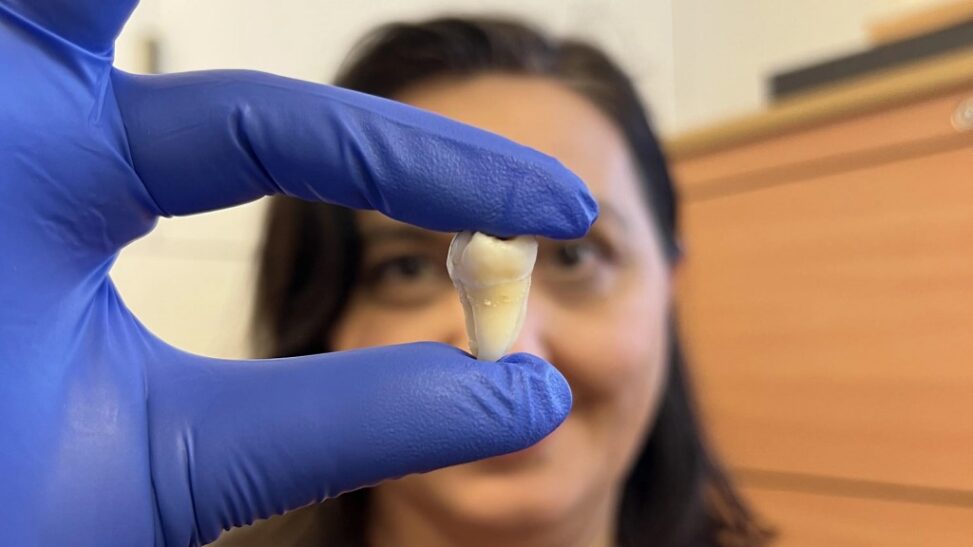
1. A New Era in Dentistry: Understanding Lab-Grown Teeth
The idea of growing teeth in a laboratory may sound like something from science fiction, but recent advancements in regenerative medicine are turning this concept into reality. Scientists working in the field of Regenerative Medicine have made remarkable progress in developing biological solutions to replace damaged or missing teeth.
Traditionally, dental treatments for cavities and tooth damage have relied on fillings, crowns, or implants. While effective, these methods are not perfect substitutes for natural teeth. They may require maintenance over time and do not fully replicate the structure and function of real tooth tissue.
Lab-grown teeth aim to change this by offering a natural alternative. Instead of using artificial materials, researchers are exploring ways to grow real tooth structures using biological cells. This approach focuses on restoring teeth in a way that closely mimics how they develop naturally in the human body.
The process involves using stem cells, which have the ability to develop into different types of tissues. By guiding these cells under controlled conditions, scientists can encourage them to form tooth-like structures. These structures can potentially integrate with the body more effectively than traditional dental solutions.
This breakthrough represents a significant shift in how dental care could be approached in the future. Rather than repairing damage with artificial materials, the focus may move toward regenerating natural tissue.
As research continues, lab-grown teeth could become a reliable option for patients, offering improved comfort, durability, and long-term outcomes.
2. How Stem Cells Make Tooth Regeneration Possible
At the heart of lab-grown teeth research lies the powerful role of stem cells. These unique cells have the ability to transform into various types of specialized cells, making them essential for regenerative therapies.
In dental research, scientists use stem cells to recreate the conditions under which teeth naturally develop. By placing these cells in a controlled environment and providing the right signals, they can guide them to form structures similar to enamel, dentin, and pulp.
One of the most important aspects of this process is understanding how teeth form during early development. Researchers study these natural processes and attempt to replicate them in the laboratory. This requires precise control over factors such as temperature, nutrients, and chemical signals.
Stem cells can be sourced from different parts of the body, including dental tissue itself. Using a patient’s own cells may reduce the risk of rejection and improve compatibility with existing oral structures.
This approach also opens the door to personalized dental treatments. Instead of using standard materials, treatments could be tailored to each individual’s biological makeup. This level of customization could significantly improve outcomes.
The use of stem cells in dentistry is still being refined, but the progress made so far is promising. It demonstrates how advanced biological science can be applied to solve everyday health challenges.
3. Why Traditional Fillings May Become Less Common
For decades, dental fillings have been the standard solution for treating cavities. While they are effective, they do not restore the tooth to its original biological state. Instead, they act as a repair using external materials.
With the development of lab-grown teeth, this approach may gradually change. Instead of filling a cavity, future treatments could involve regenerating the damaged portion of the tooth. This would allow the tooth to heal in a way that is closer to its natural structure.
One of the limitations of fillings is that they may need replacement over time. Factors such as wear, temperature changes, and pressure can affect their durability. In contrast, regenerated tooth tissue could potentially adapt and function like a natural tooth.
Another consideration is the preservation of tooth integrity. Traditional procedures often involve removing damaged areas before placing a filling. Regenerative methods aim to repair damage while preserving as much natural structure as possible.
This shift could also improve patient comfort. Natural tissue is better suited to handle the conditions inside the mouth, including changes in temperature and pressure.
While fillings will likely remain in use for some time, the emergence of regenerative solutions suggests a future where they are no longer the primary option.
4. The Science Behind Growing Teeth in the Lab
Growing teeth in a laboratory involves a complex combination of biology, engineering, and medical research. Scientists must recreate the environment in which teeth naturally develop, which requires careful coordination of multiple factors.
The process typically begins with stem cells that are placed in a supportive structure, often referred to as a scaffold. This scaffold provides a framework that guides the growth of new tissue. Over time, the cells multiply and begin to form tooth-like structures.
Chemical signals play a crucial role in this process. These signals instruct the cells on how to grow and what type of tissue to become. By controlling these signals, researchers can influence the development of different parts of the tooth.
Another important aspect is the integration of the newly grown tooth with surrounding tissues. For a lab-grown tooth to function properly, it must connect with the jawbone and align with existing teeth.
Researchers are also exploring ways to ensure that the regenerated tooth has the strength and durability needed for daily use. This involves testing different methods and materials to achieve optimal results.
Although the process is still under development, the progress made so far demonstrates the potential of combining science and innovation to transform dental care.
5. Benefits of Lab-Grown Teeth for Patients
The potential benefits of lab-grown teeth are significant and could greatly improve the patient experience. One of the most important advantages is the ability to restore teeth using natural biological material.
This approach may lead to better compatibility with the body. Since the regenerated tissue is similar to natural tooth structure, it is more likely to function effectively and comfortably.
Another benefit is durability. Natural tissue has the ability to adapt and respond to changes, which may result in longer-lasting solutions compared to traditional materials.
Lab-grown teeth could also reduce the need for repeated procedures. Instead of replacing fillings or other restorations over time, patients may receive a more permanent solution.
Additionally, this technology has the potential to improve aesthetics. Regenerated teeth can match the appearance of natural teeth more closely, enhancing confidence and overall satisfaction.
From a broader perspective, this advancement represents a shift toward more sustainable and patient-centered healthcare. By focusing on regeneration rather than replacement, it aligns with the goal of preserving natural function.
As research continues, these benefits may become more accessible, offering a new standard in dental care.
6. The Role of Tissue Engineering in Dental Innovation
A major driving force behind the development of lab-grown teeth is the field of tissue engineering. This advanced area of science combines biology, engineering, and material science to create functional tissues that can repair or replace damaged parts of the body.
In the context of dentistry, tissue engineering focuses on recreating the complex structure of a tooth. A natural tooth is not a simple structure—it consists of multiple layers, each with a specific function. Replicating this complexity requires precise coordination between cells, materials, and environmental conditions.
Researchers use specially designed scaffolds that act as a framework for cell growth. These scaffolds are often biodegradable, meaning they gradually dissolve as new tissue forms. This allows the newly grown tooth structure to develop naturally without interference.
The success of tissue engineering depends on creating the right environment for cells to thrive. This includes providing nutrients, maintaining proper temperature, and delivering the correct biochemical signals. Each of these factors plays a critical role in guiding the development of healthy tissue.
Another important aspect is the integration of engineered tissue with the body. For lab-grown teeth to be effective, they must connect seamlessly with the jawbone and surrounding tissues. Tissue engineering helps achieve this by promoting natural growth patterns.
This field continues to evolve rapidly, and its applications extend beyond dentistry. However, its impact on dental care could be particularly transformative, offering solutions that are both natural and long-lasting.
7. Challenges Scientists Face in Growing Functional Teeth
While the progress in lab-grown teeth is promising, there are still several challenges that researchers must overcome before this technology becomes widely available. One of the primary difficulties lies in replicating the full complexity of a natural tooth.
A tooth is made up of different tissues, including enamel, dentin, and pulp, each with unique properties. Ensuring that all these components develop correctly and work together is a complex process that requires precise control.
Another challenge is achieving proper alignment and positioning. For a regenerated tooth to function effectively, it must fit perfectly within the existing dental structure. This requires careful planning and advanced imaging techniques.
Durability is also a key concern. Lab-grown teeth must be strong enough to withstand daily activities such as chewing and temperature changes. Researchers are continuously testing materials and methods to ensure long-term reliability.
Additionally, there are logistical considerations, such as the time required to grow a tooth and the cost of the procedure. Making this technology accessible and practical for everyday use is an important goal.
Despite these challenges, ongoing research is steadily addressing these issues. Each breakthrough brings scientists closer to making lab-grown teeth a viable option for patients.
8. Comparing Lab-Grown Teeth with Dental Implants
Dental implants are currently one of the most advanced solutions for replacing missing teeth. They provide stability and functionality, making them a popular choice for many patients. However, lab-grown teeth offer a different approach that could complement or even replace implants in the future.
One key difference is that implants are made from artificial materials, while lab-grown teeth are developed from biological cells. This means that regenerated teeth have the potential to integrate more naturally with the body.
Another advantage of lab-grown teeth is their ability to adapt. Natural tissue can respond to changes in the environment, such as pressure and temperature, in ways that artificial materials cannot. This adaptability may lead to improved comfort and performance.
On the other hand, implants are currently more established and widely available. They have a proven track record and are supported by extensive research and clinical experience.
Lab-grown teeth are still in the experimental stage, but their potential benefits make them an exciting area of study. As technology advances, they may offer an alternative that combines the reliability of implants with the advantages of natural tissue.
Understanding the differences between these options helps highlight the potential impact of regenerative dentistry on future treatments.
9. Ethical and Safety Considerations in Regenerative Dentistry
As with any new medical technology, the development of lab-grown teeth raises important ethical and safety considerations. Ensuring that treatments are safe, effective, and accessible is a top priority for researchers and healthcare professionals.
One of the main concerns is the use of stem cells. While they offer significant potential, it is important to ensure that they are used responsibly and ethically. This includes obtaining them through appropriate methods and ensuring patient consent.
Safety is another critical factor. Any new treatment must undergo rigorous testing to ensure that it does not cause unintended effects. This includes evaluating how the regenerated tissue interacts with the body over time.
There is also the question of accessibility. Advanced treatments can sometimes be expensive, which may limit their availability. Ensuring that these innovations benefit a wide range of people is an important consideration.
Regulatory bodies play a key role in overseeing the development and implementation of new technologies. They establish guidelines and standards to ensure that treatments meet safety and quality requirements.
By addressing these considerations, researchers can build trust and ensure that lab-grown teeth become a safe and reliable option for patients in the future.
10. The Future of Regenerative Dentistry
The concept of regenerative dentistry represents a significant shift in how dental care is approached. Instead of focusing on repair and replacement, this field aims to restore natural function through biological regeneration.
Lab-grown teeth are just one example of what regenerative dentistry can achieve. Researchers are also exploring ways to regenerate gum tissue, repair enamel, and treat other dental conditions using similar principles.
This approach has the potential to transform patient experiences. Treatments could become less invasive, more effective, and longer-lasting. By working with the body’s natural processes, regenerative dentistry offers a more holistic solution.
Advancements in technology, including imaging and biomaterials, are accelerating progress in this field. These tools allow researchers to better understand how tissues develop and how to replicate these processes.
Collaboration between scientists, dentists, and medical professionals is also driving innovation. By combining expertise from different disciplines, they are able to develop more comprehensive solutions.
While it may take time for these technologies to become widely available, the direction is clear. The future of dentistry is moving toward solutions that prioritize natural healing and long-term health.
11. How Lab-Grown Teeth Could Transform Everyday Dental Care
The introduction of lab-grown teeth has the potential to completely reshape how everyday dental care is delivered. For decades, dental treatments have largely focused on repairing damage after it occurs. However, regenerative solutions are shifting this focus toward restoration and natural healing.
In practical terms, this means that instead of visiting a dentist for a filling or artificial replacement, patients in the future may receive treatments that encourage their own body to rebuild damaged tooth structures. This represents a significant change in both philosophy and practice.
Routine dental visits could become more preventive and regenerative rather than corrective. Dentists may use advanced diagnostic tools to identify early signs of damage and apply treatments that stimulate natural tissue growth. This proactive approach can help maintain oral health more effectively.
Another important transformation lies in patient experience. Traditional procedures sometimes involve discomfort or multiple visits. Regenerative methods could simplify treatments, reduce the need for repeated interventions, and improve overall comfort.
Additionally, dental care could become more personalized. Since lab-grown teeth can potentially be developed using a patient’s own biological material, treatments may be tailored to individual needs. This level of customization can lead to better outcomes and higher satisfaction.
Overall, the integration of this technology into daily dental practice could lead to a more natural, efficient, and patient-friendly approach to oral health.
12. The Impact on Long-Term Oral Health
One of the most promising aspects of lab-grown teeth is their potential to improve long-term oral health. Unlike traditional restorations, which may require replacement over time, regenerated tooth tissue has the ability to function and adapt like a natural tooth.
This adaptability is crucial for maintaining oral health. Natural teeth can respond to changes in pressure, temperature, and daily use. Lab-grown teeth aim to replicate these properties, providing a more durable and resilient solution.
Improved long-term outcomes also mean fewer complications. Traditional materials can sometimes lead to issues such as wear or sensitivity. By restoring natural tissue, these risks may be reduced.
Another important factor is the preservation of surrounding structures. Regenerative treatments focus on maintaining the integrity of the tooth and supporting tissues. This helps prevent further damage and supports overall oral stability.
Patients may also benefit from reduced maintenance requirements. With fewer replacements or repairs needed, long-term care becomes more convenient and cost-effective.
By focusing on natural restoration, lab-grown teeth have the potential to redefine what long-term oral health looks like, offering solutions that are both sustainable and effective.
13. Integration with the Body: A Natural Advantage
A key advantage of lab-grown teeth is their ability to integrate seamlessly with the body. Unlike artificial materials, which may sometimes feel foreign, regenerated tissue is designed to become a natural part of the oral structure.
This integration is important for both function and comfort. A tooth that is biologically compatible can connect with surrounding tissues, including the jawbone and gums, in a more natural way. This leads to improved stability and performance.
Another benefit is the potential for self-repair. Natural tissues have the ability to respond to minor damage and maintain themselves over time. While research is ongoing, lab-grown teeth may share some of these properties.
The immune response is also a consideration. Using a patient’s own cells reduces the likelihood of rejection or complications. This makes the treatment safer and more reliable.
In addition, natural integration can enhance sensory function. Teeth play a role in detecting pressure and texture, which is important for activities such as eating. Lab-grown teeth aim to preserve these functions.
This natural advantage highlights the potential of regenerative dentistry to provide solutions that go beyond simple replacement, offering a more complete restoration of oral health.
14. Potential Cost and Accessibility in the Future
As with any new medical technology, cost and accessibility are important factors to consider. Initially, lab-grown teeth treatments may be more expensive due to the complexity of the process and the resources required.
However, as research progresses and technology becomes more widely adopted, costs are expected to decrease. Advances in production methods and increased demand can make these treatments more affordable over time.
Accessibility is another key consideration. Ensuring that this technology is available to a broad population is essential for maximizing its impact. This may involve collaboration between healthcare providers, researchers, and policymakers.
Insurance coverage and healthcare policies will also play a role in determining accessibility. As the benefits of regenerative dentistry become clearer, support for these treatments may increase.
Education is equally important. Patients need to be informed about new options and how they compare to traditional treatments. This awareness can help individuals make informed decisions about their care.
While challenges remain, the long-term outlook suggests that lab-grown teeth could become a widely accessible solution, improving oral health outcomes for many people.
15. The Role of Technology in Advancing Dental Science
Technology plays a crucial role in the development of lab-grown teeth. From advanced imaging techniques to sophisticated laboratory equipment, each innovation contributes to the progress of regenerative dentistry.
Imaging technologies allow researchers to study tooth structures in detail. This information is essential for replicating natural development processes. Accurate imaging also helps in planning treatments and ensuring proper alignment.
Laboratory tools enable precise control over the growth environment. This includes maintaining optimal conditions for cell development and monitoring progress at each stage.
Digital technology also supports collaboration. Researchers from different parts of the world can share data and insights, accelerating the pace of discovery. This global exchange of knowledge is vital for overcoming challenges.
Artificial intelligence and data analysis are beginning to play a role as well. These tools can help identify patterns and optimize processes, making treatments more efficient and reliable.
The integration of technology into dental science is driving innovation and opening new possibilities. As these tools continue to evolve, they will play an increasingly important role in shaping the future of oral healthcare.
16. Training and Adaptation for Dental Professionals
The introduction of lab-grown teeth will require dental professionals to adapt to new methods and technologies. This transition involves both education and practical training to ensure that treatments are delivered effectively.
Dentists will need to understand the principles of regenerative medicine and how they apply to dental care. This includes knowledge of stem cells, tissue engineering, and advanced diagnostic techniques.
Training programs and continuing education will play a key role in this process. By staying updated on the latest developments, professionals can provide the best possible care to their patients.
Adaptation also involves integrating new tools and procedures into existing practices. This may require changes in equipment, workflows, and patient management strategies.
Collaboration between researchers and practitioners is essential. By working together, they can ensure that scientific advancements are translated into practical applications.
This evolution in professional training highlights the dynamic nature of healthcare. As new technologies emerge, continuous learning becomes essential for maintaining high standards of care.
17. Environmental Benefits of Regenerative Dentistry
An often-overlooked aspect of lab-grown teeth is their potential environmental impact. Traditional dental materials require manufacturing processes that consume resources and generate waste.
Regenerative dentistry offers a more sustainable approach by focusing on biological solutions. By using natural cells and biodegradable materials, it reduces reliance on synthetic substances.
This shift can contribute to lower environmental impact over time. Fewer replacements and repairs also mean reduced resource consumption.
Additionally, advancements in laboratory techniques are becoming more efficient, further minimizing waste. As these methods improve, the environmental benefits are likely to increase.
Sustainability is becoming an important consideration in healthcare. By adopting environmentally friendly practices, the dental field can contribute to broader efforts to protect the planet.
Lab-grown teeth represent not only a medical advancement but also a step toward more sustainable healthcare solutions.
18. Public Awareness and Acceptance of New Treatments
For lab-grown teeth to become widely adopted, public awareness and acceptance are essential. Patients need to understand how these treatments work and what benefits they offer.
Education campaigns can help bridge this gap. By providing clear and accurate information, healthcare providers can build trust and confidence in new technologies.
Public perception is often influenced by familiarity. As more people learn about regenerative dentistry and see successful outcomes, acceptance is likely to grow.
It is also important to address concerns and misconceptions. Open communication between patients and professionals can help ensure that decisions are based on accurate information.
Media and educational platforms play a role in spreading awareness. By highlighting advancements and sharing success stories, they can contribute to a positive understanding of the technology.
Building public trust is a gradual process, but it is essential for the successful integration of lab-grown teeth into mainstream dental care.
19. The Timeline: When Could This Become Common?
One of the most common questions surrounding lab-grown teeth is when they will become widely available. While significant progress has been made, there is still work to be done before this technology becomes a standard treatment.
Clinical trials and regulatory approvals are important steps in this process. These ensure that treatments are safe and effective for patients. This phase can take time, as thorough testing is essential.
Researchers are optimistic about the future, but timelines can vary depending on the complexity of the technology. Continued investment and collaboration will help accelerate progress.
In the meantime, incremental advancements are being made. Each step brings the technology closer to practical application, even if widespread availability is still some years away.
Patients can expect to see gradual integration of regenerative techniques into dental care. As these methods prove successful, their use will likely expand.
Understanding the timeline helps set realistic expectations while highlighting the exciting potential of this innovation.
20. A Glimpse into the Future of Natural Tooth Replacement
Lab-grown teeth offer a glimpse into a future where dental care is more natural, effective, and sustainable. This vision goes beyond simply replacing damaged teeth—it represents a shift toward restoring the body’s natural capabilities.
In this future, dental treatments may focus on regeneration rather than repair. Patients could benefit from solutions that are tailored to their unique biology and designed to last a lifetime.
This approach aligns with broader trends in healthcare, where personalization and natural healing are becoming increasingly important. By working with the body’s own systems, treatments can achieve better outcomes.
Innovation will continue to drive this progress. As research advances, new techniques and technologies will emerge, further enhancing the possibilities of regenerative dentistry.
While challenges remain, the direction is clear. The goal is to create solutions that improve both health and quality of life.
Lab-grown teeth represent an exciting step toward this future, offering hope for more effective and patient-centered dental care.
Strong Conclusion
The concept of lab-grown teeth marks a revolutionary moment in the field of dentistry. What was once considered a distant possibility is now becoming a tangible reality, thanks to advancements in Regenerative Medicine, stem cell research, and tissue engineering. This innovation has the potential to redefine how we approach oral health, moving away from temporary fixes toward long-lasting, natural solutions.
Throughout this article, we have explored the science behind lab-grown teeth, the role of cutting-edge technologies, and the many benefits they could offer. From improved comfort and durability to better integration with the body, these advancements highlight a future where dental care is more aligned with natural biological processes.
At the same time, it is important to recognize the challenges that remain. Issues related to cost, accessibility, and clinical testing must be addressed before this technology becomes widely available. However, ongoing research and collaboration continue to bring us closer to that goal.
Perhaps the most exciting aspect of this development is its potential impact on everyday life. Imagine a world where cavities are treated not with artificial fillings but with regenerated tissue that restores the tooth to its original strength and function. This shift could improve not only oral health but also overall quality of life.
In conclusion, lab-grown teeth represent more than just a scientific breakthrough—they symbolize a new direction in healthcare. By embracing innovation and focusing on natural restoration, the future of dentistry looks brighter, more effective, and more sustainable than ever before.
